Booking choice: The Kerama whale watching trip, from $38 per person. Check dates Tour details
Humpbacks reach about 15 m and 30 tons, says Visit Okinawa, the official tourism site of the Okinawa Convention & Visitors Bureau. They spend the summer feeding far to the north, then swim about 6,000 km to the Keramas, about 40 km west of Naha, to mate and give birth. You do not need to stay on a small island to meet them: a half-day boat from Naha port goes out to their water.
The dates and rules below come from the Japan Tourism Agency, Visit Okinawa, the Zamami Village Whale Watching Association, the Japan Meteorological Agency and the listing of the whale tour on this site, all read on 19 November 2026.
The quick answer
The season runs roughly from late December to early April, and January to March is the best stretch. From Naha, the easy way is a 4-hour boat trip with hotel pickup, a life jacket, a raincoat and photos of the whales. If you see no whales or dolphins in February or March, the tour refunds you in full; in December and January you get a voucher to go again. Book at least two days ahead, because the pickup needs that much notice.
When is whale watching season from Naha in 2026 to 2027?
Roughly late December to early April, with January to March as the best months.
The Japan Tourism Agency puts the humpbacks in the Kerama Islands from late December to April. Visit Okinawa and japan-guide both point to January to March as the main season. The tour on this site follows the same calendar: its refund rule is written for December to March, and its reviews from the last season run all the way to late April 2026.
On Zamami, the season starts when the whales say so. The Zamami Village Whale Watching Association ran its 2026 tours from 8 January to 25 March 2026 and has already posted a notice for the 2027 season. The whales come here to mate and give birth, so mothers with young calves are part of the show.
Our pick: go in February or March. The whales are there in good numbers, and the tour's refund rule is at its most generous. Arriving in late December? Go anyway, and keep a second morning free in case you need the voucher.
| Month | What to expect | Tour rule if no whales are seen |
|---|---|---|
| Late December | The first humpbacks arrive, per the Japan Tourism Agency | No whales seen: a voucher to try again |
| January | Main season begins; Zamami's 2026 tours started on 8 January | No whales seen: a voucher to try again |
| February | Main season; mothers with calves | No whales or dolphins seen: full refund |
| March | Main season; Zamami's 2026 tours ended on 25 March | No whales or dolphins seen: full refund |
| Early April | The last whales; tour reviews ran to late April 2026 | Check the dates on offer |
What does the whale watching tour from Naha include?
Hotel pickup, the boat from Naha port, a life jacket, water, a raincoat and digital photos of the whales. Food is not included.
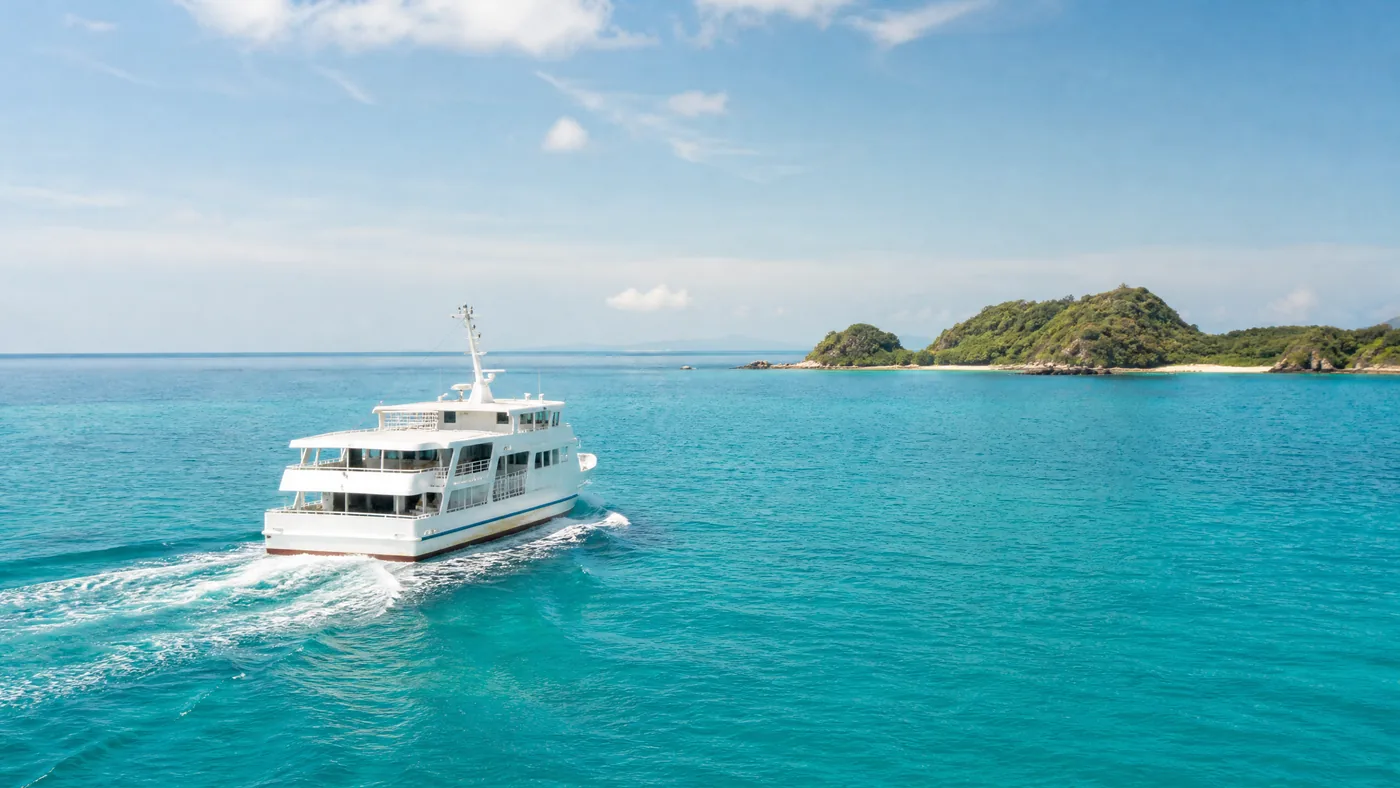
The Kerama whale watching trip is run by Marine House SEASIR and lasts about 4 hours in all. A van collects you at your hotel or a pickup point; the listing names 20 options across Naha, from Kokusai-dori hotels to Omoromachi. You board at Naha port, and the boat spends about three hours out at sea, around an hour of it with the whales. Then the van drops you back where it found you.
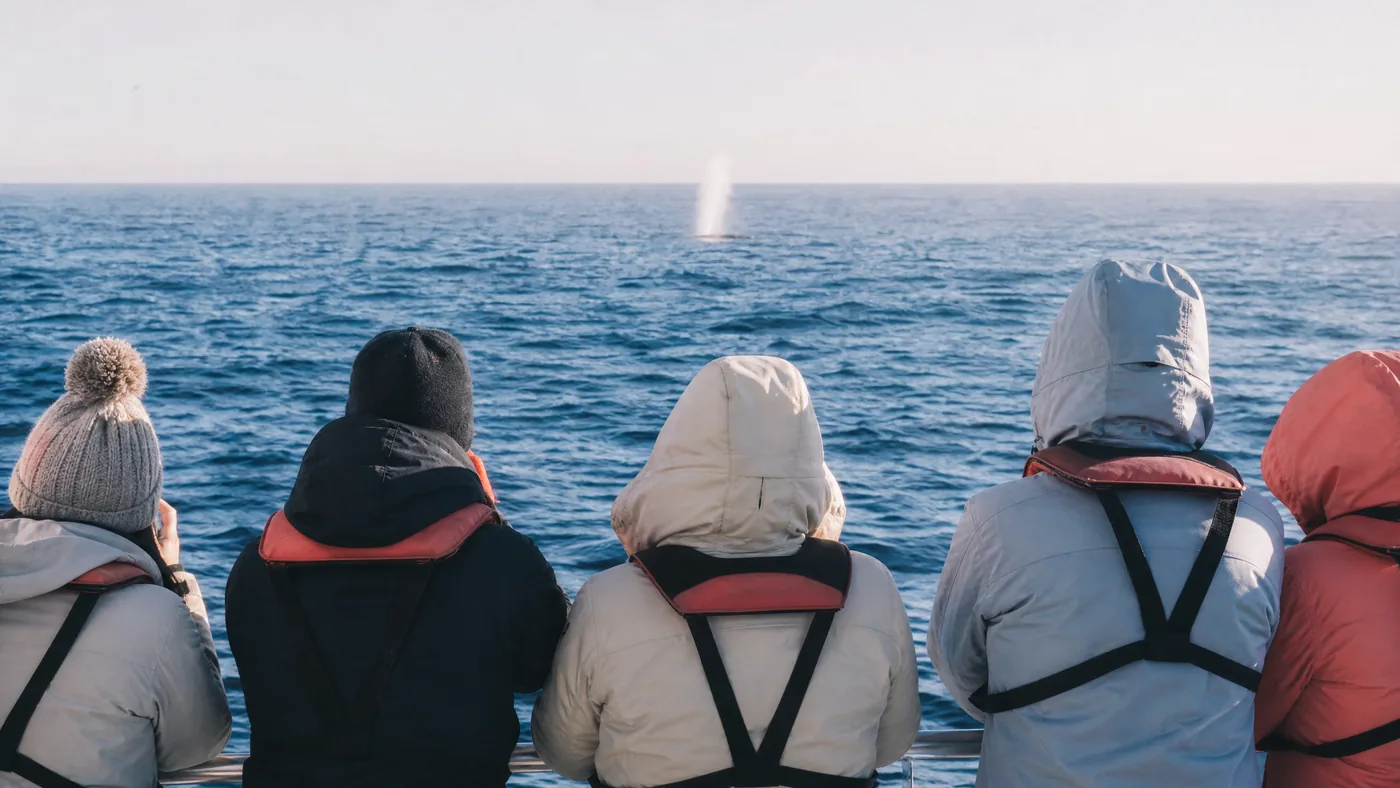
On board you get a life jacket, drinking water and a raincoat if spray picks up. The crew photograph the whales, and you get the digital copies by download link after the trip, which is handy, because a phone held over the rail rarely catches the moment a tail comes up. Guides speak English and Chinese. Food is not included, so eat breakfast first.
Two rules matter. Book at least two days ahead, since the pickup needs that notice. And know the refund rule: no whales or dolphins in February or March means a full refund; in December or January it means a voucher for another day. If the sea is too rough to sail, you can rebook or get your money back. Free cancellation runs up to 24 hours before.
The listing says the trip is not suitable for pregnant women or people with epilepsy. Children under 2 need a baby carrier with a harness that attaches to an adult, and you bring your own. It costs from $38 per person, with 4.6 stars from 305 reviews.
Hotel pickup in Naha, the boat from Naha port, about an hour with the humpbacks, a raincoat and photos of the whales.
Explore the Kerama whale watching trip Tour detailsShould you go whale watching from Naha or from Zamami?
From Naha if you want it done in half a day. From Zamami if you want a night on a small island too.
Zamami has the history. Its whale watching association was founded in 1991, and spotters on lookouts around the island radio the boats when they see a blow. The Japan Tourism Agency credits that network for a sighting rate of about 90% on Kerama boats. Tours from Zamami port run morning and afternoon, about one to two hours each, and the Ministry of the Environment's national park page lists 7,700 yen for adults and 3,850 yen for children aged 6 to 12. You book directly with one of the member boat shops.
The catch is the ferry. Zamami is about 60 minutes from Tomari Port on the fast ferry and about 120 on the slow one, each way, and winter seas cancel ferries now and then. As a day trip it fills the whole day. As part of a two-night island stay it is lovely.
From Naha there is no ferry to plan. You are picked up at the hotel, the boat sails from the city port, and you are back by lunch or mid afternoon. For most visitors with three or four days in Naha, that is the smarter call. Spend the rest of the day in the city or at Makishi market.
| Half-day tour from Naha | Zamami association boats | |
|---|---|---|
| Where you start | Pickup at 20 Naha hotels and points | Zamami port, after the ferry from Tomari Port |
| Time needed | About 4 hours door to door | A full day, or a night on Zamami |
| Getting there | Included | Fast ferry about 60 minutes, slow ferry about 120 minutes, each way |
| Price | from $38 per person | 7,700 yen for adults on the water, plus the ferry |
| Photos | Digital copies by download link | Bring your own camera |
| Best for | A short trip, or whale day plus an afternoon in town | Slow travelers who want island time too |
How close do the boats get, and will you see whales?
Most trips do. Boats slow down within 300 m and keep at least 100 m away, and the whales often come closer on their own.
Sightings are never guaranteed with wild animals, and nobody honest will promise one. The odds are good, though: the Japan Tourism Agency gives about 90% for Kerama boats in season. That is why the refund rule on the Naha tour exists at all.
The Kerama boats follow local rules written to keep stress off the whales. Within 300 m of a whale a boat slows down, and it never closes in nearer than 100 m. On Zamami, a mother and calf get no more than an hour of watching in total, and swimming with whales is not allowed. A curious whale can still swim right under a waiting boat. Reviews of the Naha tour from last season describe exactly that.
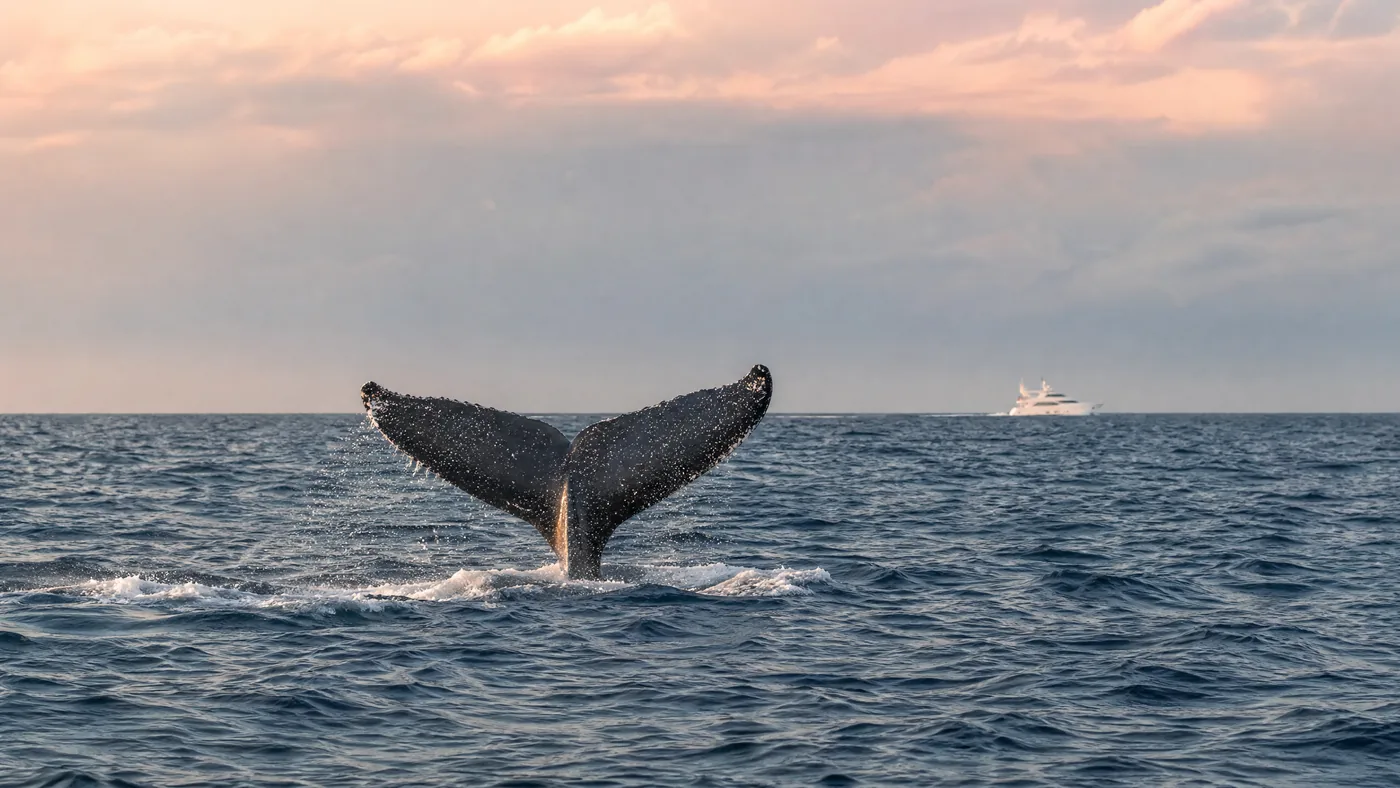
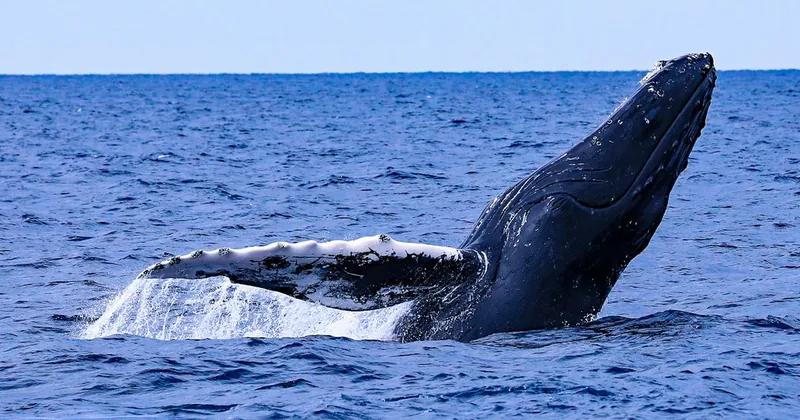
What you might see: the blow, a spout of spray up to five meters high; the long back and the tail lifting before a dive; tail slaps on the surface; and, on a lucky day, a full breach. Dolphins sometimes join the show too. Keep watching the horizon between sightings. The crew are good, but extra eyes help.
Humpbacks off Naha in half a day, with hotel pickup, photos and a full refund if February or March shows no whales.
Check dates for the Kerama whale watching tripHow do you avoid seasickness, and what should you wear?
Take seasickness medicine before boarding, stay on deck looking at the horizon, and dress for a cool wind, not a beach day.
Winter in Naha is mild on land: the Japan Meteorological Agency's normals give a January daily high of 19.8 C and a low of 14.9 C. Out on the water it feels colder. Visit Okinawa warns that the sea wind is cold in winter, even in Okinawa, and the tour listing asks you to bring a jacket. Wear a warm layer under a water-resistant shell, long trousers and flat shoes with grip. Skip skirts and heels.
Seasickness is the real spoiler, and winter wind can raise a swell. Take medicine before you board, not once you feel ill; the listing and the Zamami association both say the same. Then stand where the air moves and keep your eyes on the horizon. A light breakfast helps more than an empty stomach.
Also bring sunscreen, a hat and sunglasses, because the glare off the water is strong even under thin cloud. Leave alcohol for the evening; the listing does not allow drinking on the trip.
How does whale watching fit into a winter trip to Naha?
Book it for your first or second morning, so a rough-sea day still leaves time for a second try.
Boats cancel when the sea is too rough, and winter has its share of windy days. Put the whale trip early in your stay. If it is called off, you rebook for later in the week; if you saw nothing in December or January, you use the voucher.
A half-day trip leaves the rest of the day free. Spend the afternoon on a kintsugi workshop in Maejima, walk Kokusai-dori, then end with the izakaya bar crawl and its live sanshin. Weather and the other things to do from December to February are in our post on Naha in winter.
Visiting outside whale season? The same operator runs the Kerama snorkeling day, with sea turtles and blue water in the national park. The timing question is covered in our guide to the best time to visit Naha.
Frequently asked questions
When is the best time for whale watching from Naha?
January to March. Humpbacks are around from roughly late December to early April, and February and March are the peak weeks with mothers and calves.
What happens if no whales are seen on the tour?
On the half-day tour from Naha, no whales or dolphins in February or March means a full refund. In December and January you get a voucher to try again on another day.
Does the whale watching tour pick up from my hotel?
Yes, from 20 hotels and pickup points in Naha, and it drops you back there. Book at least two days ahead so the pickup can be arranged.
Is whale watching from Naha cold?
On land it is mild, around 20 C by day in January per the Japan Meteorological Agency, but the sea wind is cold. Bring a warm, water-resistant jacket.
Ready to book
Choose your tour
Free cancellation up to 24 hours before on every option. Prices are from-prices in USD and move with the season.
Kerama Whale Watching from Naha
Humpback whales in half a day, with hotel pickup and photos
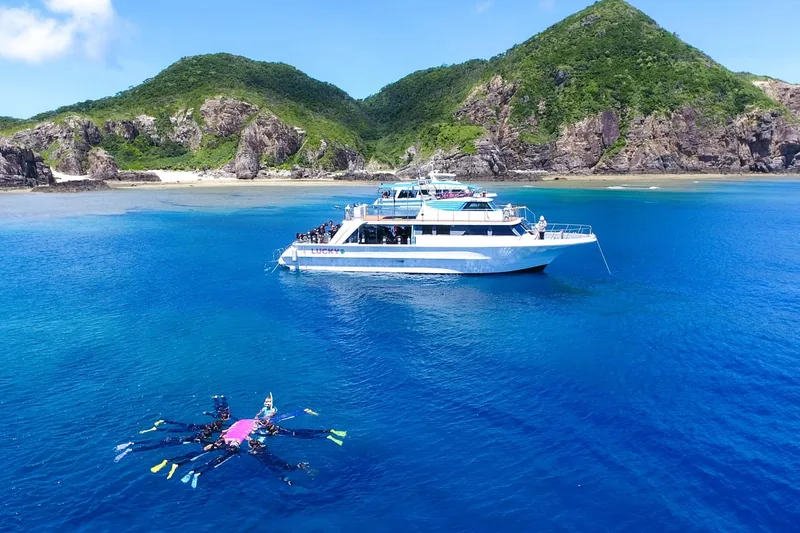
Kerama Islands Snorkeling Day Trip with Lunch
- Round-trip pickup in Naha
- Snorkel gear, wetsuit and towel
- Boxed lunch, water and tea
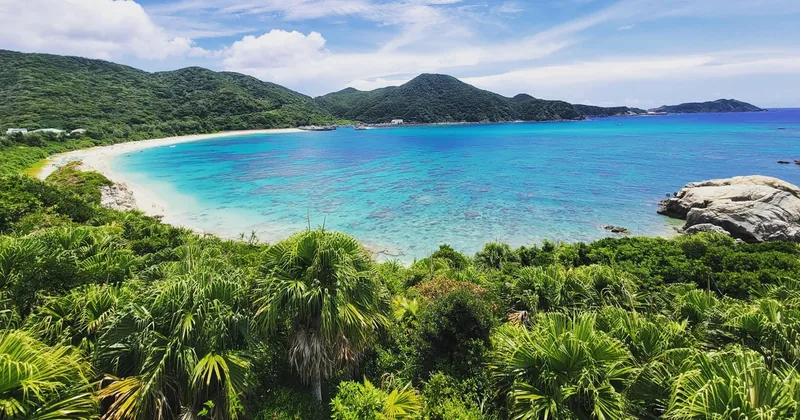
Tokashiki Island Day Trip by Boat
Ferry, island shuttle, lunch and the Kerama tax sorted for a beach day on Tokashiki